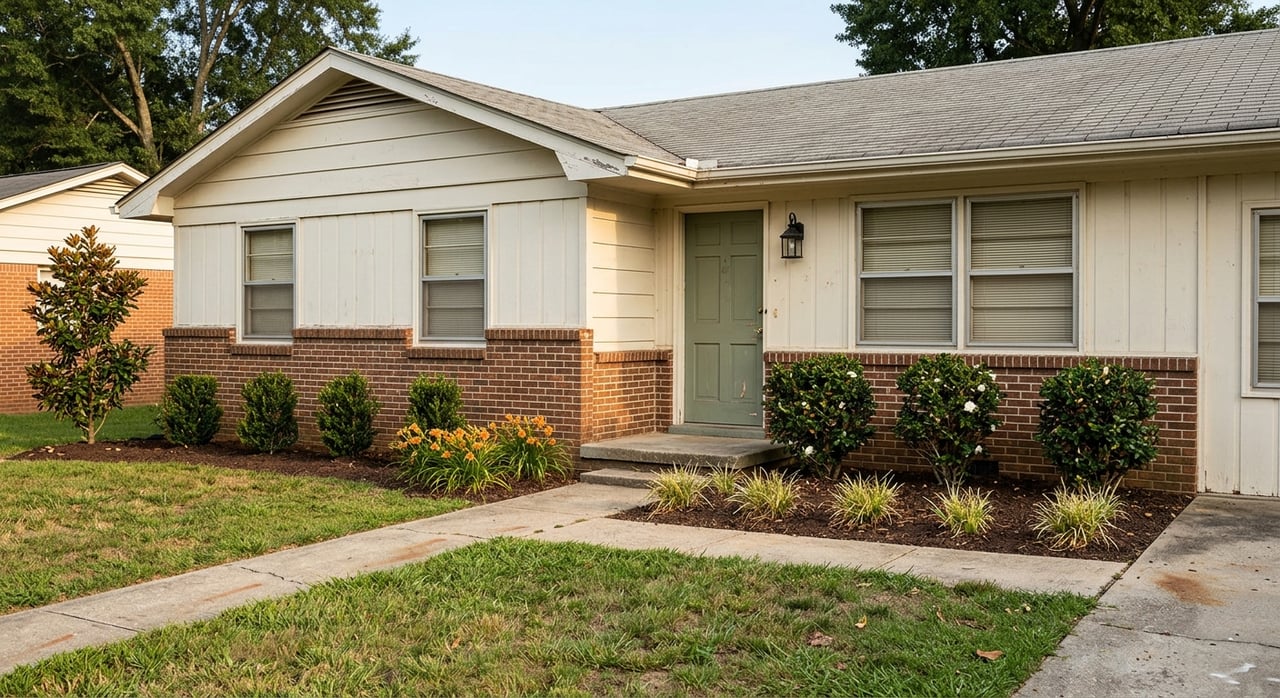
Selling A Trenton Home That Needs Work
April 2, 2026
April 2, 2026
If your Trenton home needs work, you may be wondering whether it makes sense to fix it up, sell it as-is, or do something in between. That question is common, especially when you do not want to overspend before you move. The good news is that you do not have to guess. With the right repair priorities, pricing plan, and local strategy, you can make smart choices and avoid wasting time or money. Let’s dive in.
Selling a home that needs work always comes back to one thing: how buyers are behaving right now. In Trenton, the latest public market snapshots point to a slower-moving, buyer-leaning market.
Realtor.com’s local market data reported 74 homes for sale, a median list price of $188,950, and a median 90 days on market in January 2026. The same source also described Trenton as a buyer’s market in late 2025, with homes often selling around 96% of list price.
That matters if your property needs repairs. When buyers have more time to compare homes, condition tends to matter more. The National Association of REALTORS® found in its 2025 Remodeling Impact Report that 46% of buyers are less willing to compromise on home condition than they were previously.
If your house has deferred maintenance, the goal is not to make everything perfect. The goal is to fix the issues that could affect safety, financing, inspections, or buyer confidence.
A good first bucket includes anything tied to major systems, moisture, or known defects. According to Tennessee guidance on property disclosures, sellers may need to disclose known problems involving structural or mechanical components, environmental hazards, flood or drainage issues, encroachments, and work completed without permits or code compliance.
That means you should pay close attention to issues like:
The U.S. Department of Energy’s whole-house weatherization guidance specifically notes that roof leaks should be repaired before insulation is installed. In plain terms, water problems usually come before cosmetic updates.
If you are unsure what matters most, a pre-listing inspection can help you sort urgent repairs from minor issues. Tennessee describes home inspectors as objective reviewers of a home’s major systems and components, which makes an inspection a useful planning tool before you put your home on the market.
This can be especially helpful if you inherited the property, have been renting it out, or have lived there long enough that small issues piled up over time. It gives you a clearer picture of what a buyer is likely to notice and what may come up again during negotiations.
You do not always need a full renovation to improve your sale position. In many cases, modest, targeted work can make your home feel better cared for and easier for buyers to understand.
The 2025 Remodeling Impact Report found that REALTORS® most often recommend painting the entire home, painting one room, or replacing the roof before listing. The same report found a new steel front door had 100% cost recovery, which makes entry updates one of the clearest smaller projects to consider.
If you have a limited budget, start with improvements that help first impressions and make the home feel clean, functional, and maintained.
The Department of Energy explains that home weatherization can include low-cost improvements like weatherstripping, air sealing, moisture control, ventilation, and repairing or replacing primary windows and doors. For a seller, those types of updates can support a stronger first impression without turning the house into a major construction project.
When a house needs work, it is easy to spend money in the wrong places. A full kitchen remodel or large design update may not be the best move if the roof leaks, the crawl space has moisture, or the HVAC is unreliable.
In a slower market, buyers tend to notice the basics first. If your budget is limited, worn finishes are often less important than obvious maintenance concerns. Clean, safe, dry, and functional usually beats stylish but unfinished.
One of the biggest mistakes sellers make is pricing a fixer-upper like an updated home nearby. In Trenton, where public market snapshots show values ranging from the mid-$150,000s to the high-$170,000s, and homes often take around three months or more to sell, condition-sensitive pricing matters.
The cleanest pricing approach is usually to start with recent comparable sales, subtract clear repair costs, and then leave room for buyer uncertainty. Buyers often expect a cushion when they know they will be taking on repairs after closing.
That does not mean you have to give the house away. It means the asking price should match what the buyer is actually getting today, not what the home could be worth after a full renovation.
Think about pricing in three layers:
If you price too high at the start, you may lose valuable time in a market where buyers already have options. A realistic list price can help you attract stronger interest and reduce the chance of repeated price drops.
If you choose to sell without making every repair, honesty still matters. Tennessee’s Residential Property Disclosure Act requires most sellers to complete a disclosure statement covering known defects, drainage issues, environmental hazards, and other important property conditions.
According to state guidance, failure to disclose can lead to contract cancellation and legal action. That is why deferred maintenance should never be ignored just because you plan to sell as-is.
Being upfront can actually help the process go more smoothly. When buyers understand the condition early, they can make more informed offers, and you are less likely to face surprises once inspections begin.
Not every seller should renovate before listing. Some homes are better positioned with a simple clean-out, a few strategic repairs, and a price that reflects the work needed.
A good middle ground often looks like this:
This approach can protect your budget while still helping buyers see the home more clearly. It also creates a more realistic transaction path in a buyer-leaning market.
Selling a home that needs work can feel overwhelming, especially if you are also managing a move, an estate, or an out-of-town property. A step-by-step plan makes the process more manageable.
Here is a practical order to follow:
Make a simple list of anything you already know is wrong, especially roof, moisture, drainage, HVAC, plumbing, electrical, or permit-related concerns.
Consider a pre-listing inspection or trusted contractor feedback so you can separate major concerns from cosmetic ones.
Spend first on safety, habitability, and issues likely to show up in disclosures or inspections.
Paint, clean, refresh the entry, and handle low-cost maintenance items that make the home feel more cared for.
Use local comparable sales and factor in repairs, buyer hesitation, and likely negotiation points.
When you are selling a Trenton home that needs work, you do not need pressure or perfection. You need a local plan that makes sense for your timeline, your budget, and your property.
That is where practical guidance matters. A renovation-aware strategy can help you decide what to fix, what to leave alone, and how to position the home honestly and competitively. If you want a calm, no-pressure conversation about your next step, Kim Holt can help you request your free home valuation and a no-pressure consult.
Stay up to date on the latest real estate trends.
I am committed to guiding you every step of the way—whether you're buying a home, selling a property, or securing a mortgage. Whatever your needs, I've got you covered.

1944 HWY 45 BYP JACKSON, TN 38305