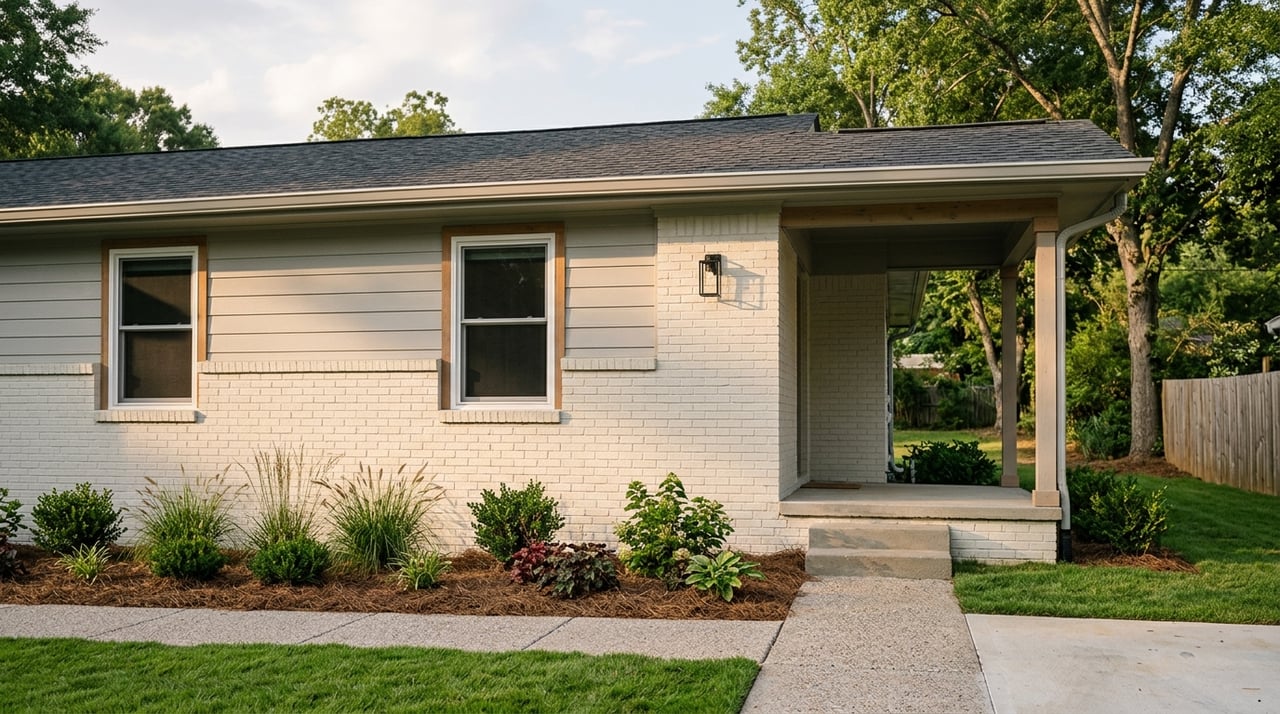
Investing In Rental Property Around Rutherford
April 23, 2026
April 23, 2026
If you are thinking about investing in rental property around Rutherford, the big question is simple: will the numbers work in a small West Tennessee market? That is a smart question to ask before you buy, especially in an area where town-level data can be limited and every expense matters. The good news is that with realistic expectations, conservative underwriting, and a practical property choice, you can make more confident decisions. Let’s dive in.
Rutherford is a very small incorporated place in Gibson County, with a population of 1,163 in the 2020 Census and an estimated 1,149 in 2024, according to the Tennessee State Data Center. Because the town is so small, town-only rental data is limited.
That is why many investors should start with Gibson County data as the baseline. County-level numbers are usually more dependable for early screening, budgeting, and rent expectations when local inventory is thin.
Gibson County had 50,429 residents in 2020 and an estimated 51,779 in 2025, with a relatively low population density spread across more than 600 square miles. In a market like this, rental demand often looks different than it does in larger Tennessee metros.
The county housing profile points to a price-sensitive rental market. The U.S. Census QuickFacts for Gibson County reports a 68.8% owner-occupied housing rate, a median owner-occupied home value of $156,900, and a median gross rent of $819. Median household income is listed at $62,755, and 90.3% of households have a broadband subscription, which can matter to renters who work, study, or manage daily life online.
For a more current market snapshot, Redfin’s Gibson County housing market page showed a median sale price of $210,000 in March 2026. The research report also notes a median asking rent of $1,025 from Realtor.com rental listings, which can be useful as a near-term estimate even though it is not an official census count.
Taken together, these numbers suggest a market where affordability and function matter more than luxury upgrades. Around Rutherford, you are often better served by a clean, dependable property with solid systems than by over-improving for a rent ceiling the market may not support.
Based on THDA Gibson County housing indicators, rental housing in the county is concentrated in 1-unit detached homes and mobile homes, with smaller amounts of duplexes, small multifamily buildings, and larger apartment properties.
For most small-scale investors, that means the most realistic opportunities around Rutherford are often:
In practical terms, single-family rentals often fit this market well because they match the county’s housing stock. They also tend to appeal to renters looking for everyday features like parking, storage, and outdoor space.
No formal renter preference survey was provided in the research, so it is important to stay grounded. Still, the county data supports a practical conclusion: renters in this area are likely to care most about condition, reliability, and value.
That usually means features like:
In a market like Rutherford and greater Gibson County, basic property performance can matter more than cosmetic extras. Fresh paint and durable flooring may go further than premium countertops if your goal is stable occupancy and manageable upkeep.
If you are trying to estimate possible rent, start with verified benchmarks rather than guesswork. The HUD FY2025 HOME rent limits for Tennessee list Gibson County fair market benchmarks at:
Those figures are helpful because they give you a standardized affordability reference point. They also show that rents in Gibson County tend to run below nearby regional hubs. For comparison, the same HUD table lists the Jackson metro 2-bedroom benchmark at $1,236.
That gap matters if you are relocating investment capital from a larger market. A property that feels inexpensive to buy still needs to match the local rent ceiling, not a higher-rent city nearby.
Many investors use the 1% rule as a quick first-pass test. As explained in Rocket Mortgage’s overview of the 1% rule, the idea is that a rental should bring in monthly rent equal to about 1% of the purchase price.
At Gibson County’s reported $210,000 median sale price, a property would need to rent for about $2,100 per month to meet that rule. That is well above both the county’s $819 median gross rent and the more current $1,025 median asking rent cited in the research.
That does not mean you should never invest around Rutherford. It means many properties here may not meet a strict 1% rule unless you:
The same research estimates a gross rent yield of about 4.7% using the county median gross rent of $819, and about 5.9% using the $1,025 median rent estimate. Since those are gross figures, your actual cash flow will be lower after expenses.
A rental can look promising until the real costs show up. That is why your underwriting needs to include more than principal and interest.
At a minimum, budget for:
Property taxes deserve extra attention in Tennessee. The Tennessee Department of Revenue explains that property tax rates are set locally, and the Comptroller notes that the bill depends on assessed value, the assessment ratio, and the local tax rate. In other words, do not assume the tax number. Verify it before you make an offer.
In a small market, a vacancy or major repair can hit harder because rent growth may be modest and resale options may be narrower than in a large metro. That does not make Rutherford a bad place to invest. It just means the margin for error can be smaller.
A safer approach is to underwrite with modest rent assumptions, realistic repair reserves, and a clear plan for ongoing maintenance. If the deal only works with best-case numbers, it may not be the right deal.
This is especially true for buyers converting a home into a rental or picking up a light fixer-upper. A renovation-aware approach can help, but only if the finished rent supports the total cost.
Before you advertise or lease any rental, make sure your process starts with fair housing compliance. According to HUD’s Fair Housing Act overview, the law prohibits discrimination based on race, color, national origin, religion, sex, familial status, and disability.
That means your marketing, screening, and leasing process should be consistent and documented. Clear criteria and fair treatment are not just best practices. They are essential.
If you choose to work with Housing Choice Voucher tenants, HUD’s landlord guidance explains that the unit must go through the program approval process, including rent reasonableness and inspection requirements. THDA also notes that many housing types can qualify, including single-family homes, apartments, and mobile homes, as long as they are decent, safe, and sanitary.
For many buyers, the strongest rental strategy around Rutherford is not chasing a flashy property. It is finding a home with a reasonable purchase price, practical layout, solid condition, and rent that fits local demand.
That may mean looking closely at:
This is where local guidance can help. In a smaller West Tennessee market, details like condition, contractor costs, financing structure, and realistic rent expectations often matter more than broad national investing advice.
If you are weighing a rental purchase around Rutherford, working through the numbers before you buy can save you from expensive surprises later. When you want a practical, step-by-step look at local opportunities, Kim Holt can help you evaluate the property, the market, and the next move with a no-pressure approach.
Stay up to date on the latest real estate trends.
I am committed to guiding you every step of the way—whether you're buying a home, selling a property, or securing a mortgage. Whatever your needs, I've got you covered.
1944 HWY 45 BYP JACKSON, TN 38305