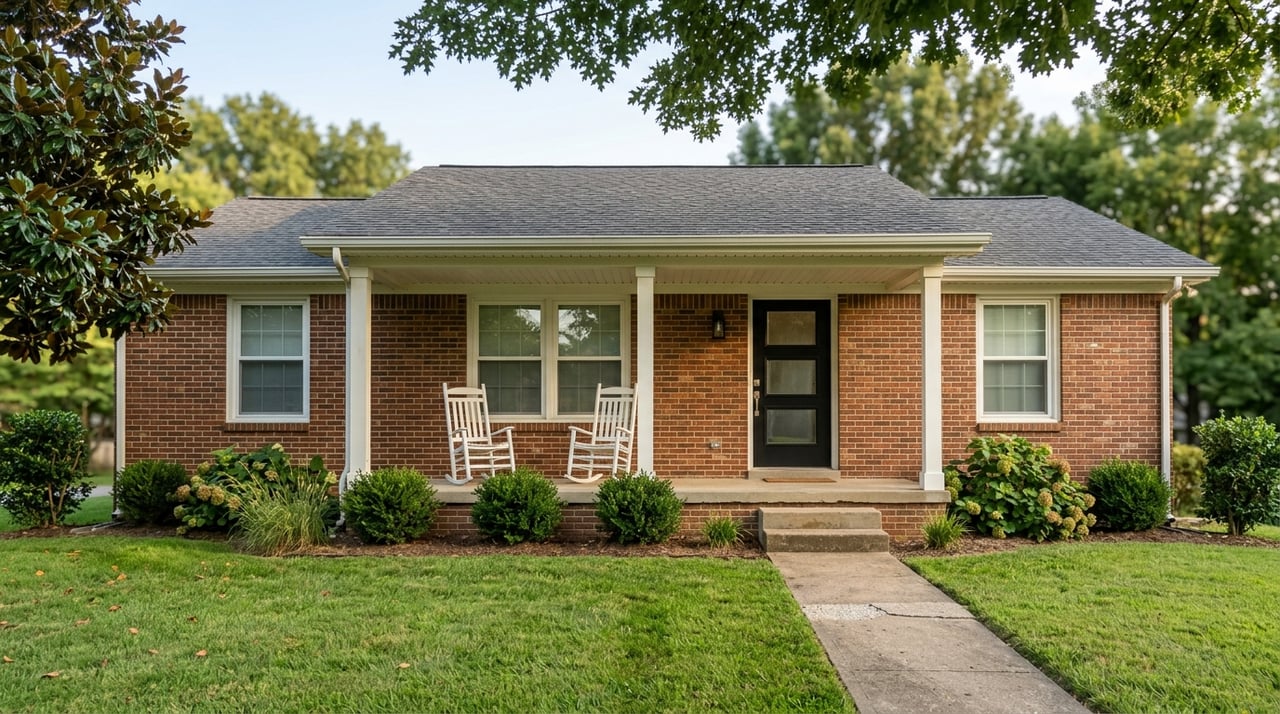
Choosing Older Vs Newer Homes In Trenton
June 18, 2026
June 18, 2026
Trying to decide between an older home and a newer one in Trenton? You are not alone. For many buyers, this choice comes down to more than style. It affects your monthly costs, your repair budget, and how much work you want to take on after closing. If you want a clear, local way to compare your options, this guide will help you weigh the tradeoffs and ask smarter questions. Let’s dive in.
Trenton has a long housing story. The city was incorporated in 1847, and its historic homes and historic district reflect architecture from the 1830s through the early 1900s, including Greek Revival, Queen Anne, Neo-Classical, and Bungalow styles.
That means your home search in Trenton may include everything from older character-filled properties to more recently built homes with updated systems. Neither option is automatically better. The right fit depends on your budget, your comfort level with repairs, and your goals for the next few years.
Older homes in Trenton often stand out for their character and architectural detail. If you love unique floor plans, original materials, large porches, or a sense of local history, older homes can be especially appealing here.
In and around Trenton’s historic housing areas, you may find features that are hard to duplicate in newer construction. That can include distinctive trim, taller ceilings, and design details tied to the city’s long history.
One reason buyers choose older homes is simple: they do not want a cookie-cutter layout. In Trenton, the historic housing stock gives you a chance to find a property with a different look and feel from newer builds.
If you enjoy the idea of personalizing a home over time, an older property may give you more room to do that. Just remember that charm and project potential often go together.
The biggest tradeoff with an older home is usually condition and efficiency. Many older homes have less insulation than homes built today, which can affect comfort and utility bills.
In West Tennessee, that matters in both directions. Nearby climate data shows hot summers with July highs around 89 to 90 degrees and cooler winters with January highs around 48 to 50 degrees, so heating and cooling performance should be part of your decision.
That means the true cost of an older home is not just the purchase price or mortgage payment. You may also need to budget for HVAC updates, air sealing, insulation improvements, window work, or moisture control.
Newer homes often appeal to buyers who want a more predictable starting point. If your goal is move-in readiness and fewer immediate repair projects, a newer home may feel like the safer choice.
Trenton’s Building & Codes office adopted the 2018 International Codes Series, except the Energy Code, effective June 13, 2018. While that does not guarantee perfection, it does support the general idea that newer homes often start with more current construction standards than much older properties.
A big reason buyers lean newer is energy performance. Modern construction typically does a better job with air sealing, insulation, and window performance, which can improve comfort and help control monthly utility costs.
That can make a real difference in a market where buyers may be watching every monthly expense closely. In practical terms, a home that holds cool air better in summer and warm air better in winter may be easier on your budget.
It is still important to stay realistic. A newer home can still have issues with grading, attic insulation, HVAC quality, or builder-related items that need attention.
So even if you are leaning toward a newer property, do not skip the inspection mindset. Newer homes often lower the odds of near-term big-ticket repairs, but they do not eliminate risk.
When you compare older versus newer homes, try not to focus only on price per square foot. That number can be helpful, but it does not tell you what you may spend after closing.
A better way to compare is to estimate your first three years of ownership costs. That includes likely repairs, utility bills, and any work needed to bring systems, exterior features, or deferred maintenance up to your comfort level.
An older home with a lower upfront price may still cost more if it needs a roof, HVAC replacement, insulation upgrades, or exterior work. A newer home with a higher purchase price may end up feeling more manageable if the systems are in better shape and the utility costs are lower.
That is especially important for first-time buyers or anyone who wants to avoid financial surprises. In a market like Trenton, practical budgeting matters just as much as style preferences.
Cost is not only about money. It is also about time, decision-making, and the energy it takes to manage projects.
If you enjoy tackling improvements and can plan for them, an older home may be a great fit. If you need a simpler move with fewer moving parts, a newer home may support that goal better.
No matter which type of home you prefer, asking the right questions can help you avoid expensive surprises later. In Trenton, permit history and property condition deserve extra attention.
Because the city requires residential permits for exterior improvements over $500, it is smart to ask whether major visible work was properly permitted. That can be useful for both older homes and homes that were renovated more recently.
Ask these questions when you are considering an older property:
If a home is in or near a historic area, do not assume that future exterior changes will be simple. National Register listing alone does not create federal restrictions for a private owner, but Tennessee law allows local governments to use historic zoning overlays that may regulate exterior work. That is why it is important to confirm what local rules apply before you make renovation plans.
Ask these questions when you are considering a newer property:
These questions may sound simple, but they can tell you a lot about how well the home has been maintained.
A smart inspection strategy can help you compare an older and newer home more fairly. In Trenton, some issues matter across the board, while others tend to show up more often in older properties.
Here are the most useful areas to review:
For older homes, these items help you separate cosmetic charm from expensive underlying issues. For newer homes, they help confirm that the property is truly as low-maintenance as it appears.
The best choice often comes down to what you value most in daily life. If you love history, architecture, and the idea of making thoughtful updates over time, an older Trenton home may be worth the extra effort.
If you want a more energy-conscious baseline, fewer near-term repairs, and a simpler move, a newer home may be the better fit. Neither path is wrong. The goal is to choose the one that matches your budget, timeline, and comfort level.
Buying in Trenton is rarely just about picking old or new. It is about knowing what you are stepping into and making a decision you can feel good about long after closing.
If you want help comparing homes, reading between the lines on condition, or thinking through which tradeoffs make sense for your budget, Kim Holt offers patient, practical guidance every step of the way.
Stay up to date on the latest real estate trends.
I am committed to guiding you every step of the way—whether you're buying a home, selling a property, or securing a mortgage. Whatever your needs, I've got you covered.
1944 HWY 45 BYP JACKSON, TN 38305