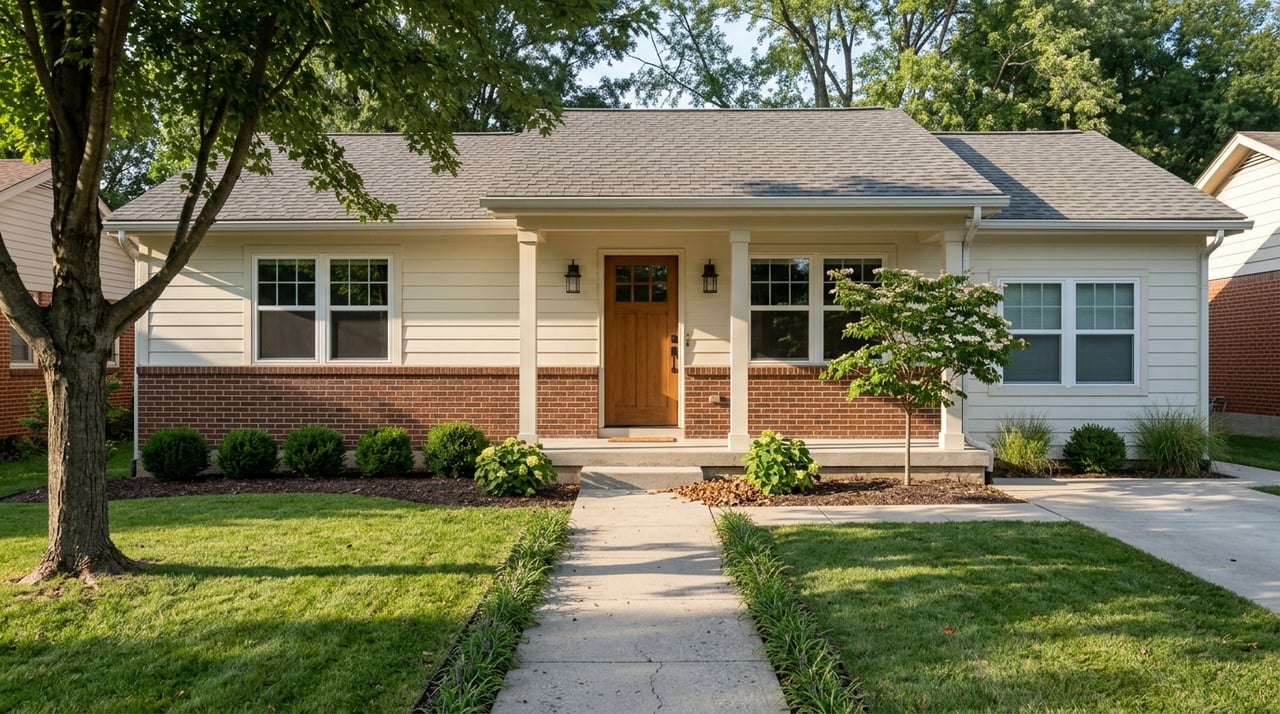
Pre-Listing Checklist For Rutherford Home Sellers
June 25, 2026
June 25, 2026
If you’re thinking about selling your home in Rutherford, your prep work matters more than you might think. In a small-town market with limited inventory, buyers often notice the details fast, and your home’s first impression can shape how quickly it gets attention. The good news is that you do not need a full remodel to get ready. You just need a smart plan for condition, presentation, paperwork, and pricing. Let’s dive in.
Rutherford is a small market, and that changes how you should approach a sale. The town has a population of 1,163, and current listing data show only 15 homes for sale.
That kind of inventory means buyers may have fewer options to compare, but it also means each listing stands out more. A well-prepared home can make a stronger impact right away, especially when local sales activity is based on a small number of transactions.
Recent Rutherford data show a median listing price of $154,250. Redfin’s three-month view shows a median sale price of $131,921 and a median of 20 days on market based on May 2026 sales.
At the county level, Gibson County has 382 homes for sale, a median listing price of $259,900, 55 median days on market, and a 100% sale-to-list ratio. Realtor.com characterizes the county as a balanced market, which makes pricing accuracy and launch-day presentation especially important.
Before you think about photos or showings, focus on the things buyers will notice right away. In most cases, that means cleaning, decluttering, and handling obvious repairs before anything else.
NAR defines staging as cleaning, decluttering, repairing, depersonalizing, and updating a home so buyers can picture themselves living there. That definition is helpful because it shows staging is not just about décor. It starts with making your home feel cared for, open, and easy to imagine as someone else’s next place.
Your first goal is simple. Make the home feel larger, brighter, and easier to walk through.
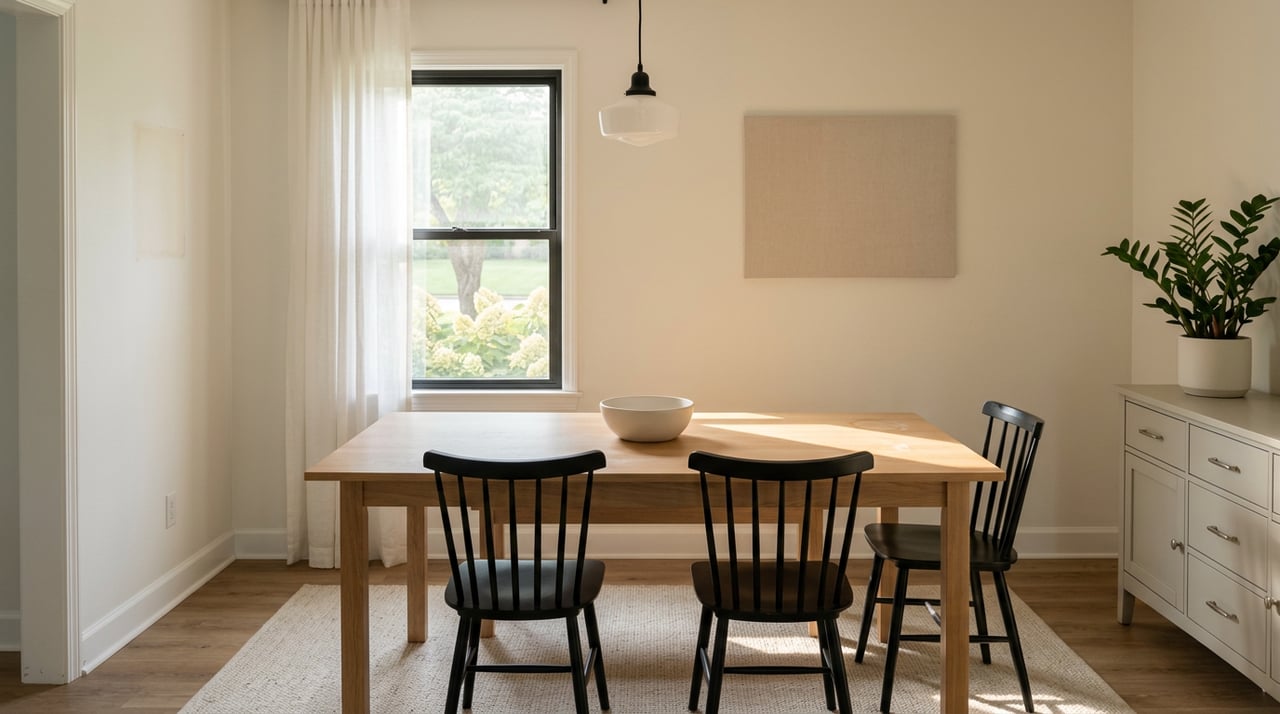
Pack away personal items like family photos, trophies, extra collections, and anything that makes rooms feel crowded. If furniture is bulky or blocks natural flow, remove it or rearrange it so each room feels more open.
Then deep-clean the whole house. Pay close attention to kitchens, bathrooms, floors, baseboards, windows, and light fixtures because buyers often notice those areas quickly.
You do not have to fix every older feature in the home. But you should address visible problems that signal deferred maintenance or raise questions during a showing.
That can include things like dripping faucets, loose handrails, cracked outlet covers, burned-out bulbs, damaged trim, sticky doors, or minor wall patches. Safety-related issues should move to the top of your list.
For many Rutherford sellers, this is where practical guidance matters. In a small market, you want buyers focused on the home itself, not distracted by small issues that make them wonder what else has been overlooked.
If you are short on time or budget, start with the rooms that tend to matter most to buyers. According to NAR’s 2025 staging research, the most important spaces to stage are the living room, primary bedroom, and kitchen.
That gives you a clear roadmap. Make those rooms feel clean, functional, and inviting first, then work outward from there.
The living room was rated the most important room to stage by buyers. It is often where buyers start imagining daily life in the home.
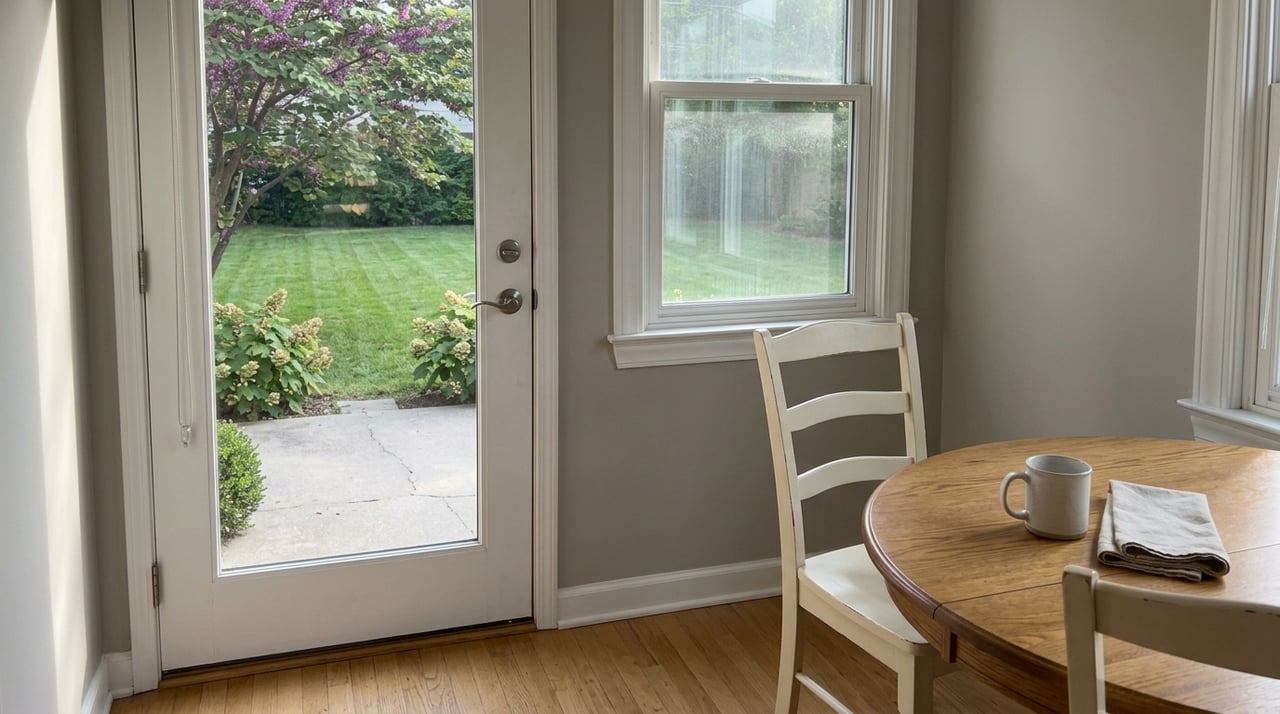
Keep furniture simple and balanced. Remove extra items, clear off surfaces, and let in as much natural light as possible.
Your primary bedroom should feel restful and spacious. Fresh bedding, fewer personal items, and tidy nightstands can make a big difference without much cost.
Try to keep closets neat as well. Buyers often open closet doors, and a packed closet can make storage feel limited.
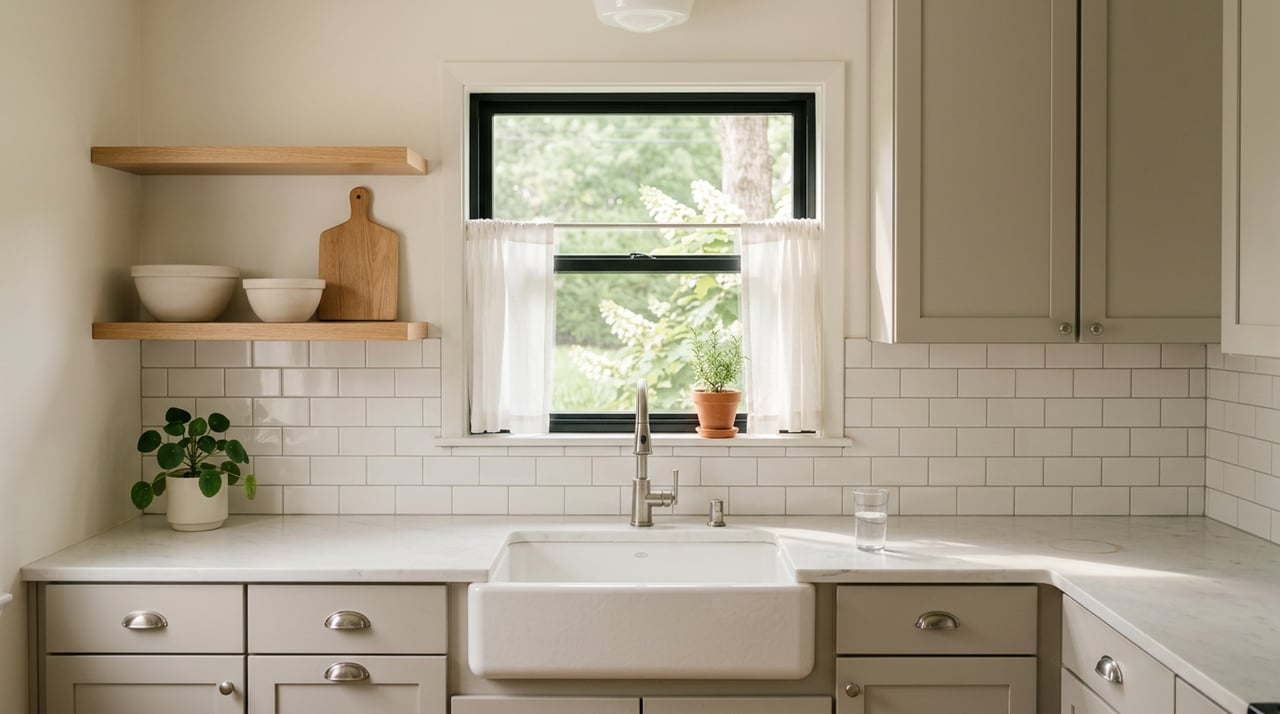
In the kitchen, clear counters as much as possible. Leave only a few everyday items if needed.
Wipe down cabinets, appliances, and backsplashes, and make sure everything looks clean and in working order. Even a modest kitchen tends to show better when it feels bright, organized, and easy to maintain.
You do not need elaborate staging to improve how your home shows. NAR recommends simple DIY steps like packing away personal items, using neutral paint colors, removing bulky furniture, and putting out fresh bedding and towels.
These changes help buyers focus on the space instead of your belongings. They also tend to photograph better, which matters a lot because most buyers start their search online.
NAR reports that 83% of buyers’ agents said staging makes it easier for buyers to visualize a property as a future home. That is one reason basic prep can have a real payoff, even in a smaller market like Rutherford.
Photography is not the last step. It is one of the most important parts of your listing launch.
NAR says 52% of buyers found the home they purchased online, and 81% rated listing photos as the most useful feature during their search. In other words, your photos often decide whether a buyer clicks, saves, or schedules a showing.
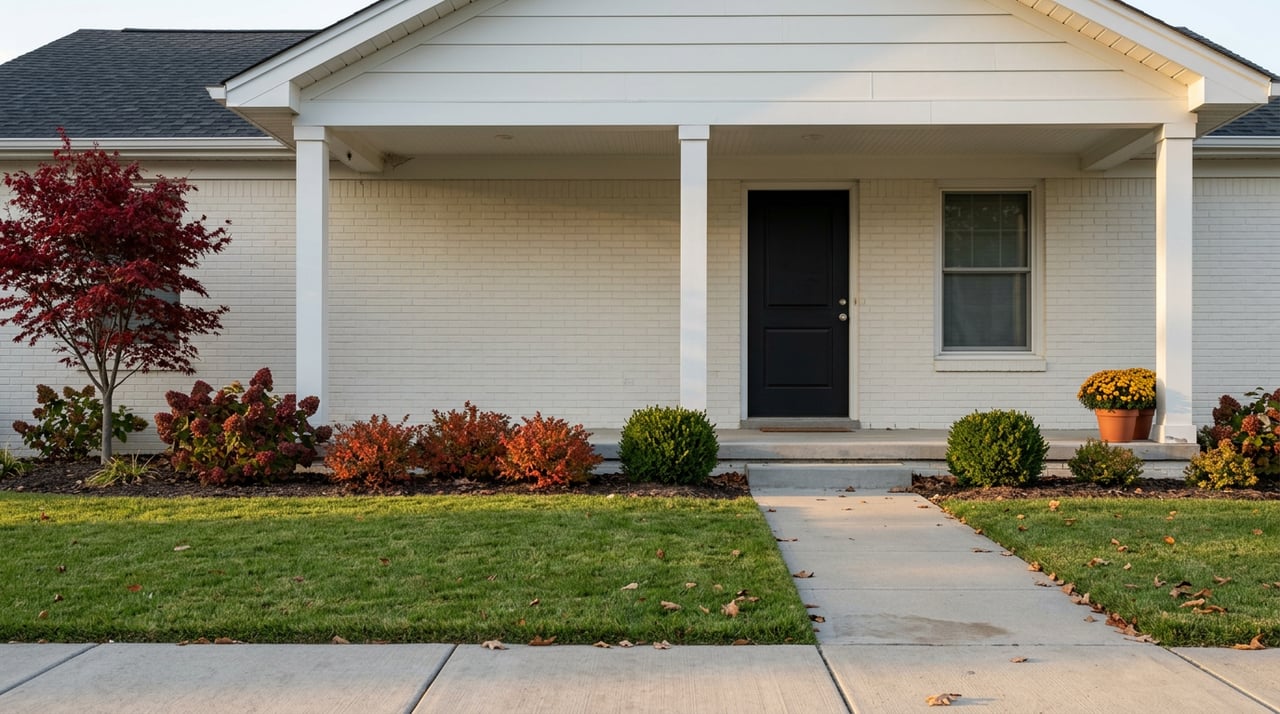
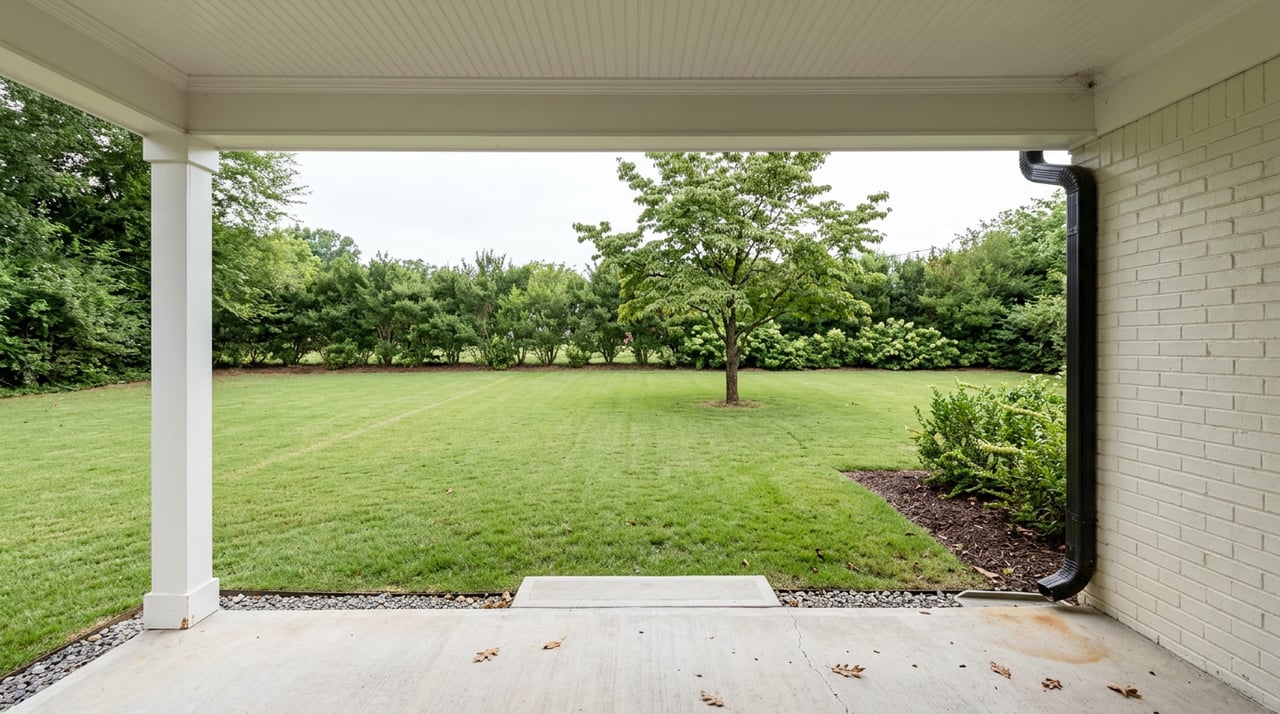
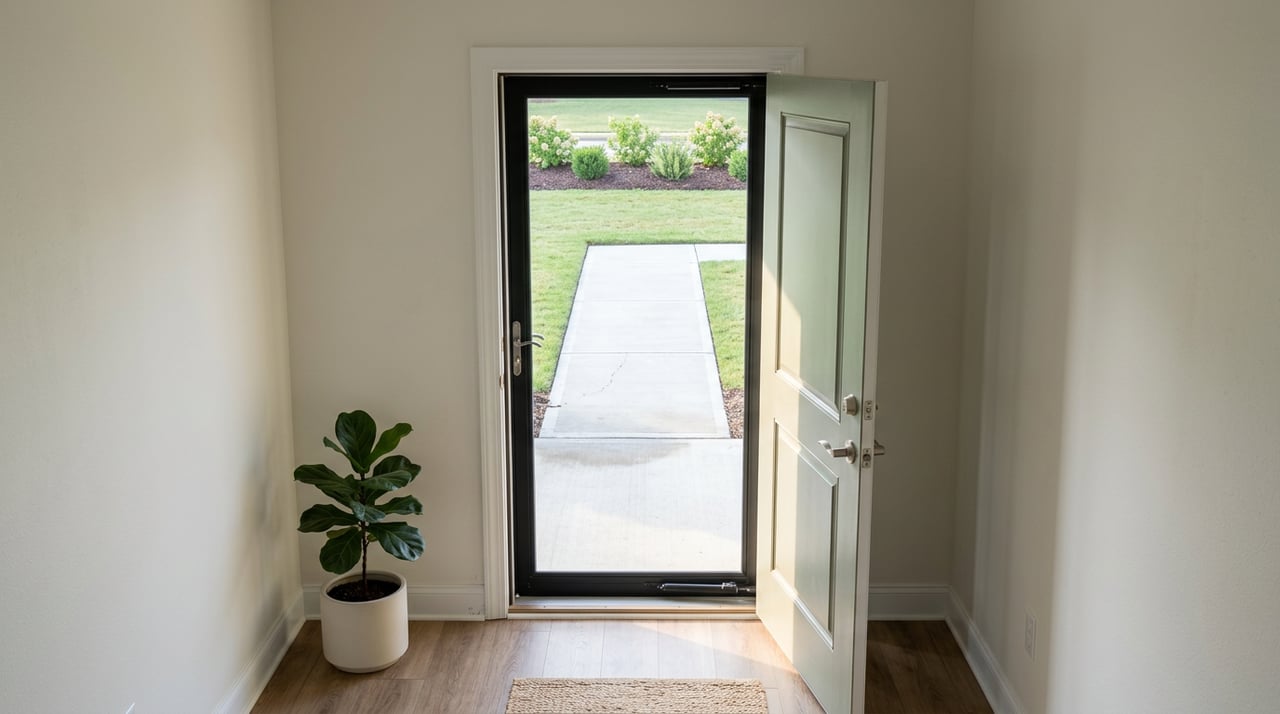
That is why you should schedule photos only after the home is fully ready. Clean counters, made beds, trimmed exterior areas, and bright rooms all matter more once the camera is involved.
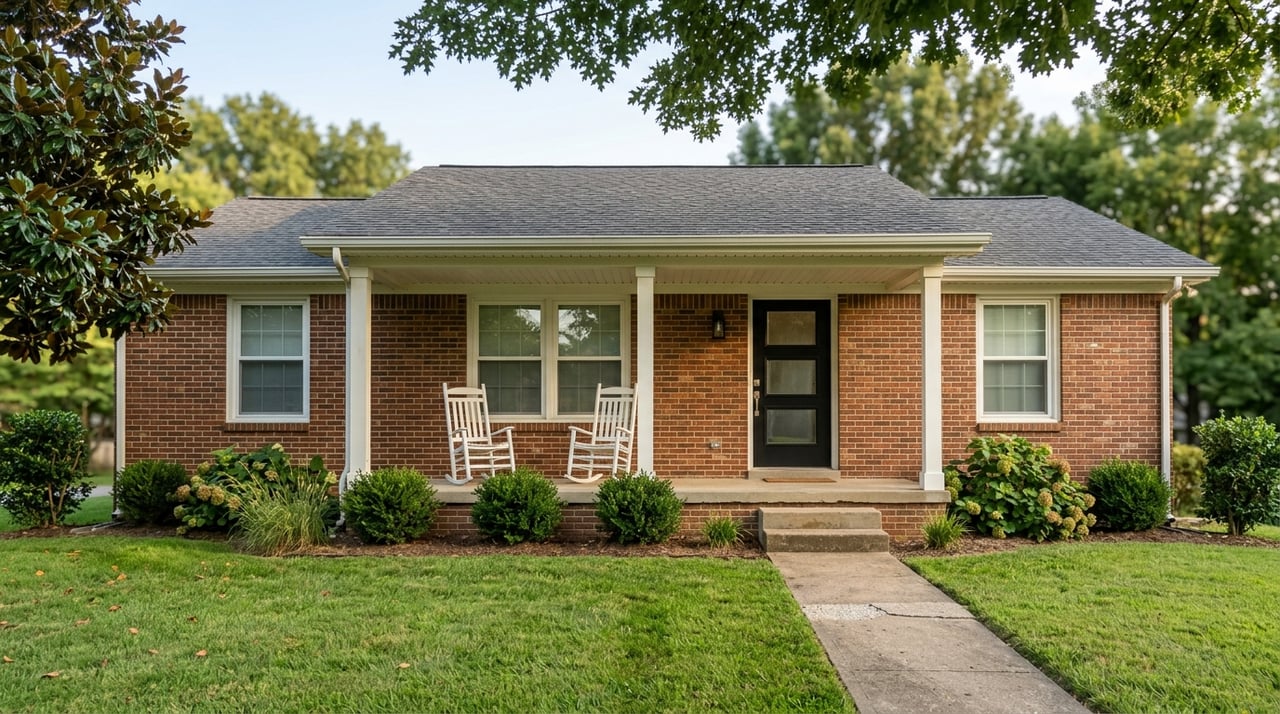
A strong lead photo can also shape the buyer’s expectations for the entire listing. In many cases, an appealing exterior shot or a warm, well-styled interior image can perform better than a basic wide-angle room photo.
One of the smartest things you can do before going live is organize your records early. This helps you answer questions more confidently and avoid last-minute stress once offers start coming in.
Tennessee law requires sellers of most one-to-four-unit residential properties to provide either a property disclosure statement describing known material defects or a disclaimer statement if the buyer waives disclosure. The written disclosure or disclaimer must be delivered before acceptance of a real estate purchase contract.
The disclosure is not a warranty, and it does not replace inspections. Still, it is a major part of the pre-listing process, so it helps to prepare for it before your home hits the market.
Tennessee’s disclosure form covers a wide range of topics. It asks about systems and features, whether items are working, and known defects involving the roof, plumbing, electrical, heating and air, windows, floors, walls, foundation, driveway, sidewalks, and more.
The form also asks about water supply, waste disposal, roof age, termites, environmental hazards, easements, encroachments, drainage changes, utility changes, unpermitted work, zoning issues, shared features, HOA authority, common areas, lawsuits, leased systems, and certain exterior materials.
If something changes before title is conveyed, the state form says that change should be disclosed in an addendum. It also says you should complete the form personally, answer each question to the best of your knowledge, and clearly label estimates.
Some homes may need extra records depending on age, location, or property history. Tennessee separately requires disclosure of known exterior injection wells, known percolation tests or soil absorption rates, whether a single-family home has been moved from another foundation, and known sinkholes before a buyer contract is signed.
For that reason, it helps to gather documents such as:
If your home was built before 1978, federal lead rules may apply. Sellers of most pre-1978 housing must disclose known lead-based paint and lead-hazard information before contract signing, provide any available records or reports, include a lead warning statement, and give buyers a 10-day inspection period unless waived.
This is a common point of confusion. In Tennessee, selling a home as-is does not remove the need to be honest about known issues.
A disclaimer statement is allowed only if the buyer waives the disclosure. That means it is important to understand the difference between selling in current condition and avoiding disclosure obligations, because they are not the same thing.
County numbers are useful for context, but they should not be your only pricing guide. Rutherford is a very small market, and town-level pricing can move quickly when there are only a handful of recent sales.
That is why local comps matter so much. Your list price should reflect recent nearby sales, current competition, and your home’s condition instead of leaning too heavily on broader Gibson County averages.
This is especially important when the county is balanced overall but Rutherford itself has limited active inventory. A thoughtful price can help you attract attention early without leaving buyers guessing.
Because Rutherford has municipal garbage, sewer, and water service, sellers should also plan for utility account cleanup before closing. Confirm final meter readings, transfer dates, and any town account requirements as part of your moving timeline.
It is a small detail, but it can help your closing process go more smoothly. When you are juggling packing, paperwork, and move-out plans, these practical tasks are easy to miss.
If you want a clear order of operations, start here:
This kind of checklist keeps you focused on what actually moves the process forward. It also helps you avoid spending time or money in places that may not improve your result.
Selling in a small town does not mean you need a perfect house. It means you need a well-prepared one.
In Rutherford, limited inventory and a small comp pool make clean presentation, honest disclosures, strong photos, and realistic pricing especially important. When you take care of those basics before listing, you give your home a better chance to stand out from day one.
If you want practical, step-by-step help getting your Rutherford home ready for market, Kim Holt offers a free home valuation and a no-pressure consult.
Stay up to date on the latest real estate trends.

I am committed to guiding you every step of the way—whether you're buying a home, selling a property, or securing a mortgage. Whatever your needs, I've got you covered.

1944 HWY 45 BYP JACKSON, TN 38305